1109 W. Chestnut St Rogers, AR 72756

Crowns and Their Role in Restorative Dentistry: What You Should Know


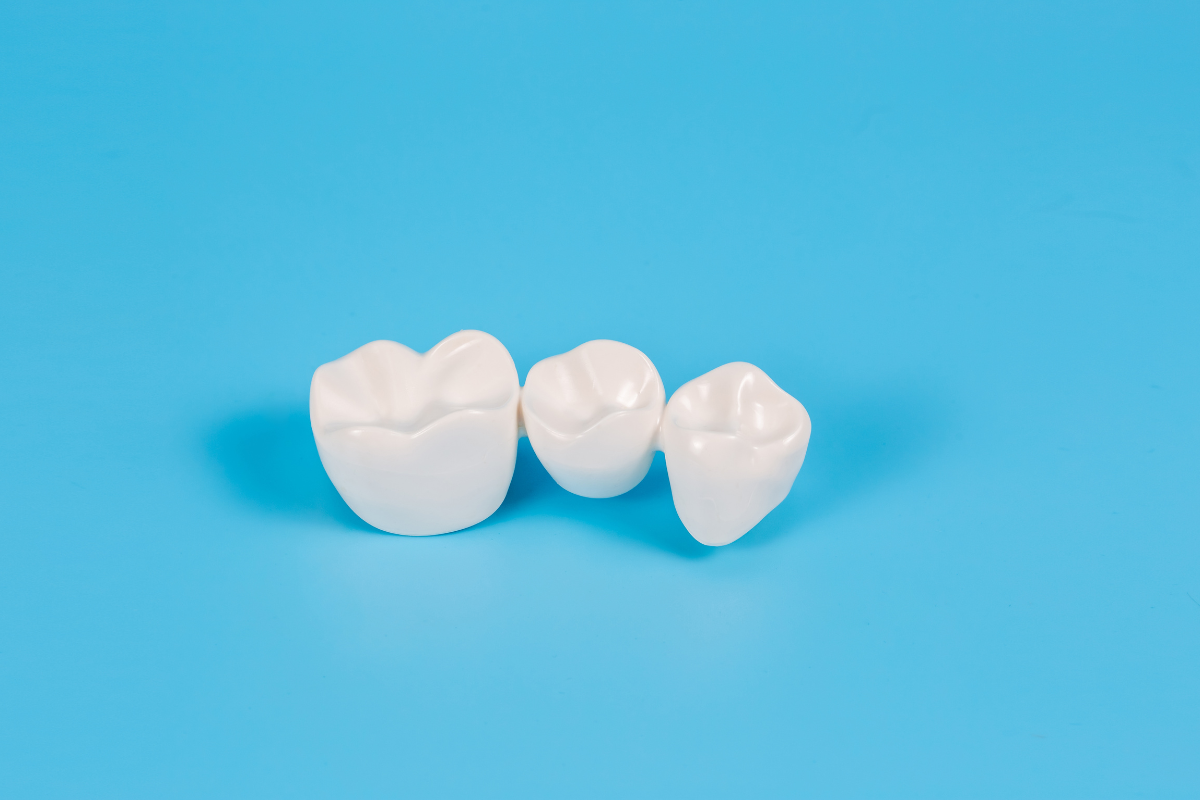
At some point, a filling just isn’t enough. Maybe a cavity went untreated a little too long, or a tooth cracked after one too many years of grinding at night, or a root canal left a tooth structurally weaker than it used to be. This is usually where the conversation about crowns starts, and it tends to come with a lot of questions patients weren’t expecting to have to ask.
A crown is essentially a custom cap that covers an entire tooth, restoring its shape, strength, and function while protecting whatever natural tooth structure remains underneath. It’s one of the most common procedures in restorative dentistry, and for good reason: it’s often the difference between saving a tooth and eventually losing it. Understanding when a crown is actually necessary, versus when a smaller fix would do, is worth knowing before you’re sitting in the chair trying to make a quick decision.
When a Crown Is the Right Call
- A cavity is too large for a standard filling to structurally support the tooth
- A tooth has cracked or fractured, especially if the crack extends below the gumline
- A tooth has had a root canal and needs reinforcement to prevent future fracture
- Significant wear from grinding has worn a tooth down enough to affect the bite
- A tooth is being used to anchor a bridge and needs additional strength and coverage
Not every damaged tooth needs a crown. Smaller cavities and minor chips are often treated with a filling or a partial restoration called an inlay or onlay, which preserves more of the natural tooth. A dentist evaluating the extent of the damage, not just the presence of a cavity, is what determines the right path.
What the Process Actually Looks Like
- Exam and imaging. X-rays confirm the extent of the damage and rule out issues like infection that might need treatment first.
- Tooth preparation. The tooth is reshaped to make room for the crown, and an impression or digital scan is taken.
- Temporary crown. While the permanent crown is being made, a temporary one protects the tooth.
- Final placement. Once the permanent crown is ready, it’s checked for fit and bite alignment before being permanently cemented in place.
Some practices, including same-day crown technology, can complete this process in a single visit rather than requiring a temporary crown and a second appointment weeks later.
Materials Matter More Than Most Patients Realize
Crowns today are typically made from porcelain, zirconia, or a porcelain-fused-to-metal combination, and the right choice depends on where the tooth sits in your mouth. A molar that handles most of your chewing force benefits from a stronger material like zirconia, while a front tooth might prioritize a porcelain option that blends more seamlessly with your natural smile. This is a conversation worth having directly rather than assuming one material fits every situation.
Signs You Might Need to Have This Conversation
- Sharp pain when biting down on a specific tooth
- A visible crack or chip that’s gotten larger over time
- Sensitivity to hot or cold that’s lingered longer than it should
- A tooth that feels different when you bite compared to the rest of your mouth
- A large, old filling that’s starting to break down at the edges
Why Restorative Planning Matters Locally
Between busy schedules across Rogers and the greater Northwest Arkansas area — from corporate offices near the Pinnacle Hills Promenade to families managing school pickups and weekend trips to Lake Atalanta — dental problems have a way of getting put off until they’re urgent. A tooth that could have been treated with a crown a year ago sometimes turns into an extraction if it’s ignored long enough. Working with a restorative dentist in Rogers who catches these issues early tends to save both money and the tooth itself in the long run.
Frequently Asked Questions
1. How long does a dental crown last?
Most crowns last 10 to 15 years with proper care, and many last significantly longer depending on the material and how well the tooth is maintained.
2. Does getting a crown hurt?
The tooth is numbed during preparation, so most patients feel pressure rather than pain. Mild sensitivity for a few days afterward is common and typically manageable.
3. Can a crown fail or need to be replaced early?
Yes, though it’s not common. Crowns can loosen, chip, or develop decay at the edges if oral hygiene isn’t consistent, which is why regular checkups matter even after the work is done.
4. Is a crown always necessary after a root canal?
Not always, but it’s common, especially for molars that handle heavy chewing force. The tooth’s location and how much natural structure remains both factor into the decision.
If a tooth has been bothering you, or a dentist has already mentioned you might need a crown, it’s worth getting a clear, honest evaluation before deciding on next steps. Ty King DDS offers restorative consultations that walk through your options plainly. Visit tykingdds.com to schedule a visit with Dr. Ty King.
**Disclaimer: This content should not be considered medical advice and does not imply a doctor-patient relationship.

 Back